Two Islamists are convicted of carrying out two attacks targeting foreigners, in which 25 people died.
from BBC News - World https://ift.tt/35JsOEJ
via IFTTT
Thursday, October 29, 2020

Facebook, Twitter and Google face questions from US senators
Heads of Facebook, Google and Twitter defend a key piece of internet law, in front of senators.
from BBC News - World https://ift.tt/35G2LOW
via IFTTT
from BBC News - World https://ift.tt/35G2LOW
via IFTTT
US Election 2020: Will America's race issue decide the next president?
The BBC's Clive Myrie goes to the crucial state of Arizona, where black votes could decide who wins.
from BBC News - World https://ift.tt/2GdMEzu
via IFTTT
from BBC News - World https://ift.tt/2GdMEzu
via IFTTT
Animal Crossing: 'My sister lives on in a video game'
Tending to her sister's virtual town in Animal Crossing helps Meredith Myers keep her memory alive and cope with her grief.
from BBC News - World https://ift.tt/2HIGJDb
via IFTTT
from BBC News - World https://ift.tt/2HIGJDb
via IFTTT
End Sars protests: 'I felt I was going to die there'
Ephraim, a British-Nigerian activist at the heart of the End Sars protests in Lagos, talks about what he saw.
from BBC News - World https://ift.tt/35IgmoL
via IFTTT
from BBC News - World https://ift.tt/35IgmoL
via IFTTT
Shares in Australia lead losses as Asia-Pacific markets slip following overnight Wall Street plunge
The sustained increase in coronavirus cases seen in the U.S. as well as across Europe is likely to weigh on investor sentiment.
from International: Top News And Analysis https://ift.tt/37KGrGy
from International: Top News And Analysis https://ift.tt/37KGrGy
FBI arrests five in alleged 'Operation Fox Hunt' plot to stalk and pressure citizens to return to China
The international campaign dubbed "Operation Fox Hunt" is part of the Chinese government's global campaign aimed at reducing the country's diaspora.
from International: Top News And Analysis https://ift.tt/2TvvRL1
from International: Top News And Analysis https://ift.tt/2TvvRL1
Wall Street Suddenly Loves Bike Companies Thanks to Cycling Boom
This article originally appeared on Bike.com and was republished with permission.
When Covid-19 locked up retail stores in March, bike shops were as worried about landing on the other side as Brooks Brothers and Gold’s Gym. When the pandemic motivated millions of people of all ages, interests and abilities to get on a bike for the first time in ages, cycling stores rode away laughing, while many other retailers crashed.

Wall Street was watching.
In October, Canyon, a high end, direct-to-consumer bike brand, announced that it was in talks with private equity and buyout firms. A sale could bring in $592 million and start a trend.
“It was the story of the year,” says Stephen Frothingham, editor-in-chief of Bicycle Retailer & Industry News, an industry publication. “When the New York Times and Wall Street Journal are talking about the riding boom and shortage of inventory [in bike shops], it catches a lot of people’s attention. Investors start wondering, ‘How do I get a part of this?’”
Canyon is a compelling story. In September, the 30-year-old German brand reported $474 million in global sales for 2020, a 30 percent bump from the year before. That included a jump in the U.S. market of more than 100 percent in June compared to the year before. Even though it’s only been selling bikes to Americans since 2016, bike industry insiders reckon its one of the four biggest bike sellers in the country. And because it only sells online, it’s not just another brand importing bikes from China, says Frothingham.
“The companies that play in the space where bikes and technology overlap are getting a lot of interest,” he says.
That’s especially true of the more tech side of the cycling industry. In September, one of Canyon’s suitors, KKR & Co, led a $450-million fundraising for Zwift, an online fitness platform for cyclists and runners. The Series C funding valued the company at $1 billion. Even before the pandemic the category was hot. Peleton, an interactive cycling and fitness training platform, raised $1.16 billion in 2019. That makes fitness apps popular with cyclists, like Strava and Wahoo, prime targets for major investments, figures Frothingham.
E-bike makers look juicy too. Electric bikes have outpaced all other cycling segments for years, including a 190 percent bump in sales between March and June this year, according to research by NPD Group, a retail monitoring firm.
“E-bikes are only at, like, iPhone 2.0,” figures Fotheringham. “There’s still a lot of room for improvement.”
One place the interest probably won’t go, though, is the bike industry heavy weights: Specialized, Giant and Trek.
“A lot of companies are riding high, but a challenge they all have to growing is getting enough bikes,” Frothingham says. Almost every bike, whether it’s from Walmart or a $10,000 carbon fiber race machine is made in China or Taiwan. “No one is talking about building a new factory to increase capacity.”
Smaller brands, flying high on the intense demand, have a better chance of finding a buyer. The interest from investors will continue as long as concerns about the safety of public transport and flying away for holidays continues. With no end in sight to these pandemic-fueled worries, expect the bike boom to keep rolling right through 2021.

from Men's Journal https://ift.tt/31TQzsH
Inside America's Biggest Ski Factory
“The conditions were pretty awful, to be honest,” says Thomas Laakso, referring to his time testing ski prototypes on Mount Hood at the tail end of this summer. He continued, “but that’s a good thing for us. Skiing variable conditions like crud helps evaluate what works and what doesn’t a lot faster.”
As the VP of Product and Operations at DPS Skis, and a 20-year veteran of the ski industry, Laakso has taken more than a few pilgrimages to endless season outposts like Oregon’s Timberline to test skis. “We’re close to a final design—the last three days were focused on A/B testing of two similar models, to pick the best one,” says Laakso, holding back on further specifics. “We just feel fortunate to be skiing and to be able to test at all, under the circumstances.”
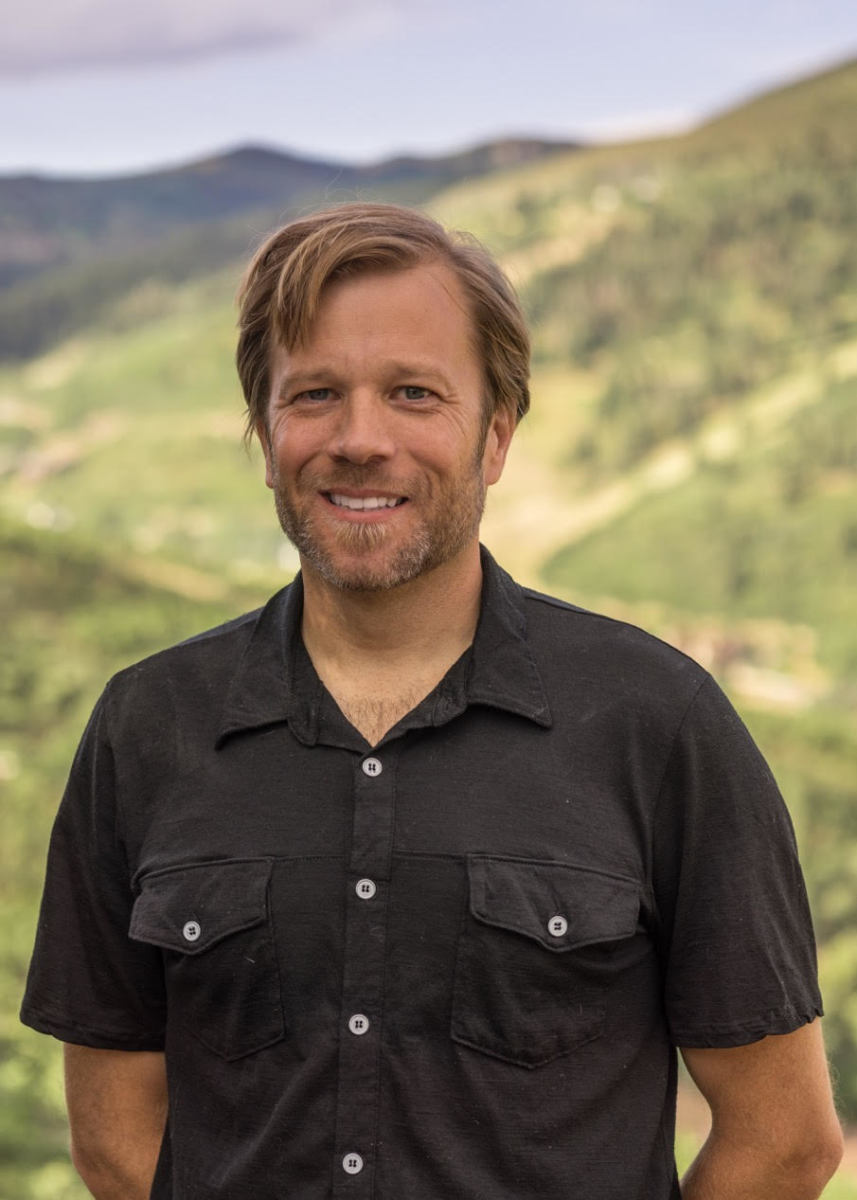
Laakso (pictured above) cut his teeth as a product manager at The North Face in the late ’90s, including work on a jacket that won Time’s Innovation of the Year. Five years later, he migrated to Black Diamond to become the ski category director. After 12 years and 35 patents, Laakso took a hiatus from corporations to help launch Mountain Hub, an avalanche safety startup. Most recently, in 2018, Laakso joined DPS. It’s fair to say that there are maybe a dozen people in the world that know the skis as well as Laakso.
“Honestly DPS feels a lot like a modern startup, at least culture-wise,” says Laakso. “We’re small and lean. We test products fast.” The downside to being nimble, is less supporting infrastructure. “But that’ll change,” Laasko adds. “For context, we’re the biggest ski manufacturer in the country, but at just 15 years old, we’re still smaller than many European brands.”

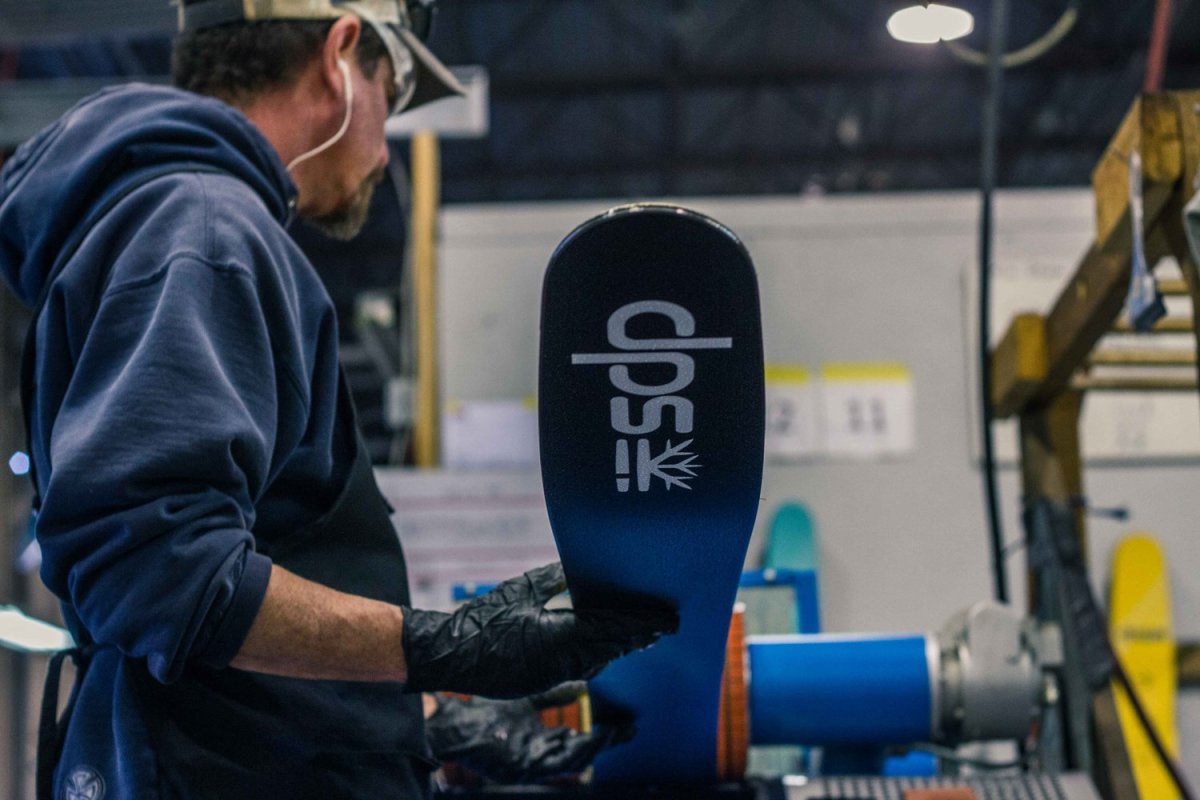
Practically speaking, the DPS factory employees 35 full-time workers that make skis year-round. While the brand declined to share the exact number of skis it produces annually, its annual revenue was estimated at 18M last year, which likely means tens of thousands of pairs. Still, this is considerably smaller than a number of European manufacturers who have historically been race-driven brands with much larger markets. Demand for skis this winter has, according to DPS, exceeded expectations.
When asked about the biggest differences between DPS and competitors, Laakso was quick to respond: “We can design, make a prototype, test it on the slopes, and iterate all in the same week. Not many ski companies are able to do that. With the Wasatch out our backdoor and our production facility here in Utah, we also have more control over the process. We’ve looked at going overseas but couldn’t create the same quality, so we’ve stayed put.”
Laakso was brought into DPS to create internal structures, establish a long-term strategy, and find ways to reach new customers in a highly competitive industry. “We’re either the biggest small ski company in the world or the smallest big ski company, but size doesn’t always correlate to a great product,” laughs Laakso. “Innovation often comes from newer players in a space. Big brands have started to take note of us. The Rossi Soul 7—arguably the most popular ski in the world—took direction from the design of the Wailer 112 RP and is a spitting image of it, then crushed it in volume.”
As part of the three-headed senior management team driving the bigger picture of the company, Laakso works with ski designer Peter Turner, a DPS co-founder, and Nick Pascoe, a young Kiwi and lead product manager, to oversee product creation and R&D. This includes the new Pagoda ski lines, Phantom waxless glide launched three years ago, and a rapid transition to produce PPE face shields during this spring’s outbreak of the COVID-19 pandemic.

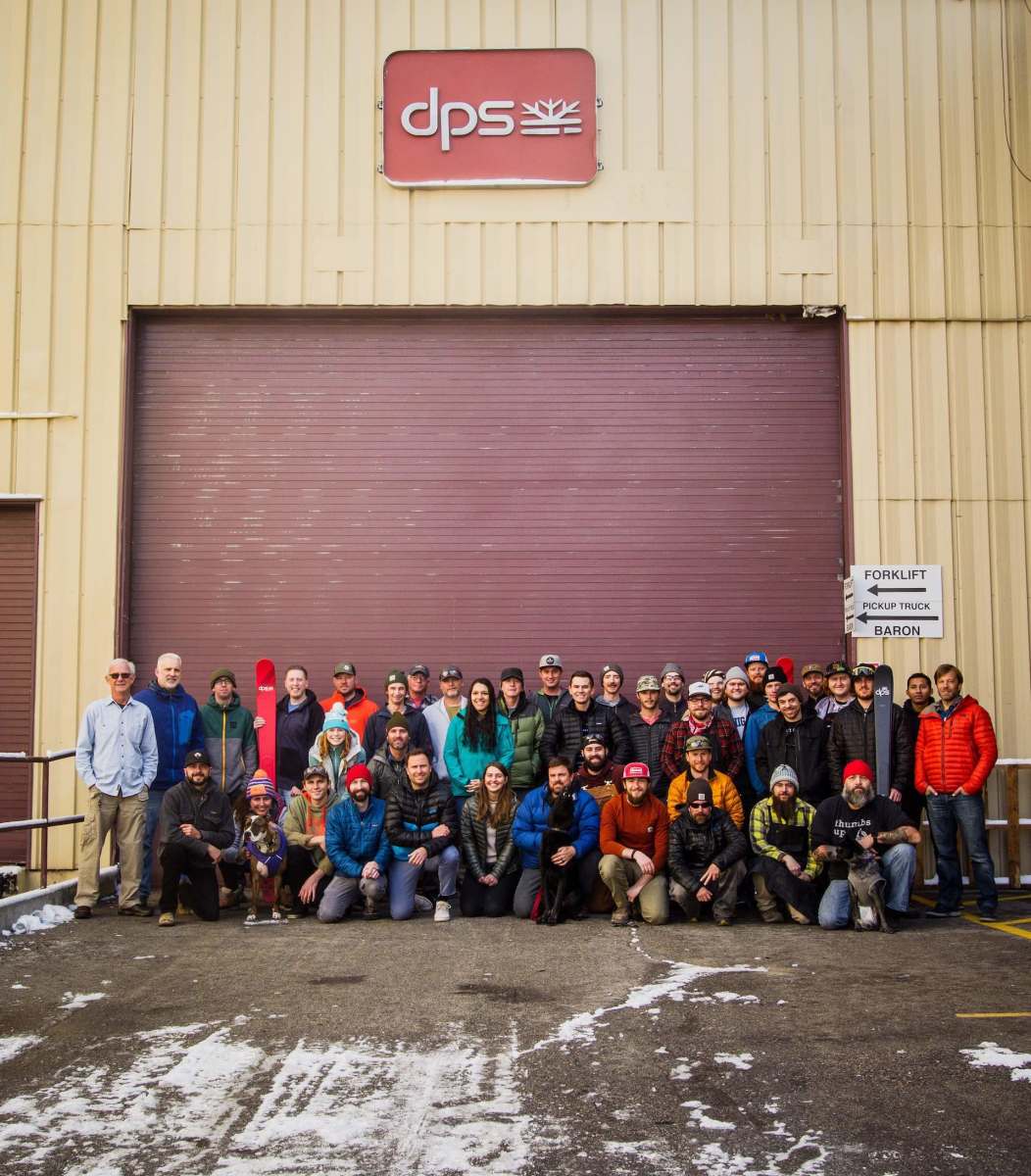
“We make a lot of different products, but the process is always the same,” says Laakso. “A lot of brands talk about one shape or one material that makes their skis great, but that’s not how we see it. It’s not just great carbon fiber or sweet shape that makes a good ski. Just like you need all the right ingredients to make a good soup, you need a complete recipe to make a good ski. We’re a high-end speciality kitchen compared to a commodity cafeteria.”
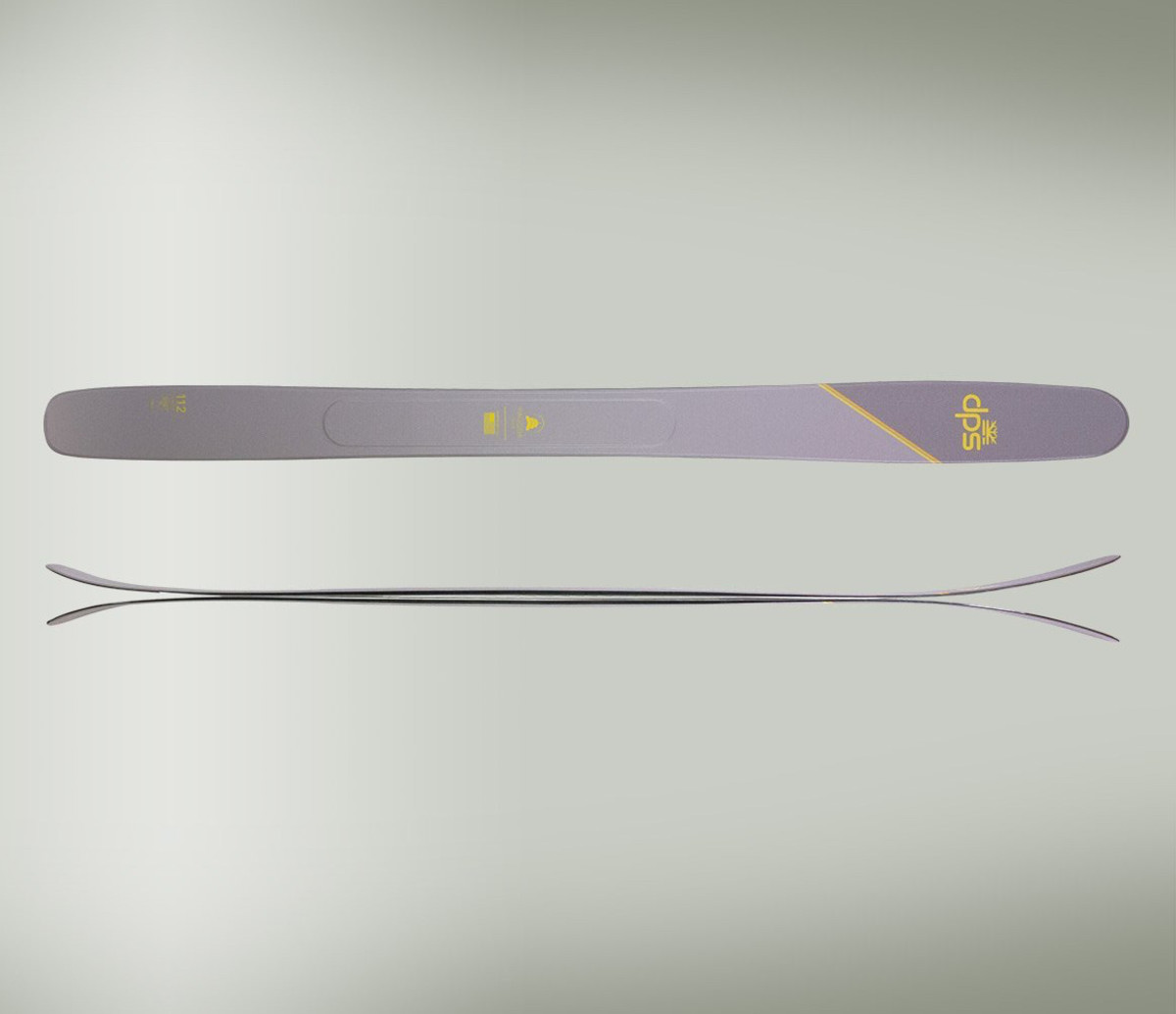
From this mentality came the Pagoda lines, made with new innovations in the wood cores, new shapes, and patented carbon-fiber constructions. This paradigm also drove DPS’ off-season project: face shields for frontline workers. Wanting to find a way to help those in need as well as keep their factory running and avoid layoffs, Laakso and his team designed and produced over 80,000 protective shields and their effort is still going.
Yet, despite major innovations in the last few years, Laakso believes the best is yet to come. “My favorite ski I’ve ever ridden isn’t out yet—you’ll have to wait a year to get a chance to test it,” says Laakso.
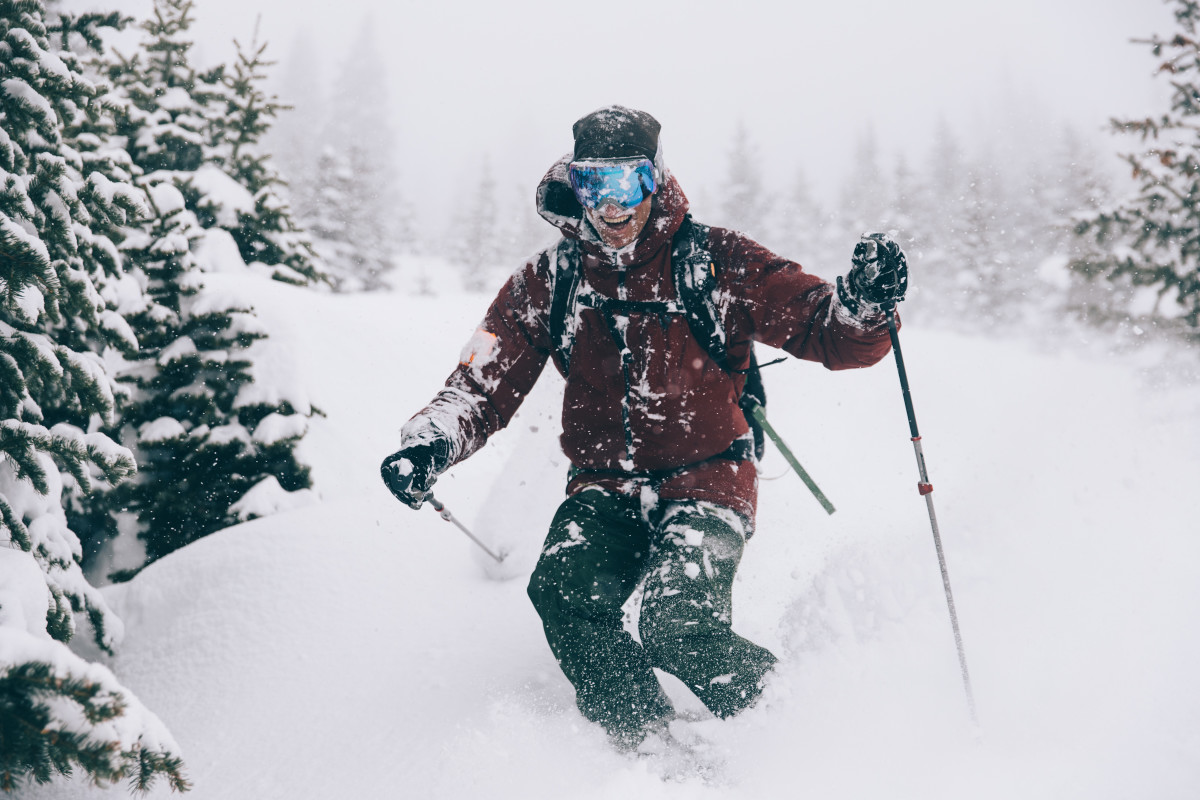
Do Yourself a Favor And Stop Buying Generic Skis
Some of the best skis in the world come out of a small shop in Crested Butte, Colorado.
Read articlefrom Men's Journal https://ift.tt/35Hzsvo
Subscribe to:
Posts (Atom)