Sinking a hole-in-one is every golfer’s dream. The achievement will always require some degree of sheer luck, but that doesn’t make it less impressive or exhilarating when it finally happens. With that said, some hole-in-ones are more impressive than others.
On Tuesday, Spanish pro golfer Jon Rahm hit a shot that some people are already calling, “the greatest golf shot of all-time.” During a practice round for this weekend’s 84th Masters at Augusta National, Rahm attempted a trick shot on the par-3 16th hole. He skipped a ball across the pond and then watched as the ball began to roll, and roll, and roll. And after rolling for what seemed like an eternity––17 seconds to be exact––the ball found its final destination in the bottom of the cup.
What’s even more impressive than this impossible shot? It was Rahm’s second hole-in-one in as many days. The day prior, it was the 4th hole that Rahm managed to ace––as proven by this Instagram post.
This article originally appeared on Bikemag.com and was republished with permission.
In the early 90’s, Christian Bagg was at the top of his game. He was pushing the limits during the early days of both snowboarding and mountain biking. He was riding on the edge and searching for that next thrill––bigger, steeper, faster. But one day, Bagg crossed that line and broke his back during a snowboarding big air contest. The fall would leave him paralyzed from the waist down.
However, Christian Bagg was not about to surrender to his circumstances. As a mechanical designer, Bagg began working on prototypes for adaptive cross country skis and mountain bikes. The task was daunting but his motivation was summed up in a simple sentence: “If I don’t build it, no one else will.”
Bagg’s initial five attempts at building an adaptive mountain bike failed. But eventually, he hit the right combination.
“The Reach evolved from this thing with a cross-country sit-ski bolted to the front of it, to this super professional, electric motor, articulation, best bike part on the planet,” said Bagg. “We built a mountain bike.”
He certainly did. And this three-wheeled beast wasn’t built to simply cruise around on a dirt road––it was built to rip. In this video, Bagg shares the inspirational story of how he developed the Reach, what it felt like to ride again, and the reward of helping fellow paraplegics get back on the bike.
“I get to have these moments in nature that I had when I was a kid,” said Bagg. “It’s unbelievable.”
Like upgrading from your laptop’s tiny screen to a roomier external monitor, it doesn’t take long to realize a rigid desk chair isn’t cutting it in your home office. And that’s a detail worth nailing: The right office chair increases comfort while you’re putting in hours behind the desk. But, like a good mattress, that doesn’t come cheap. We’ve been using the Steelcase Leap for about two months now and our ass and back have noticed.
What It Is
Steelcase is one of the leaders in designing ergonomic office equipment, much of which also looks great in a home office. The Leap is a five-wheeled, reclining, fully customizable desk chair—from fabric colors to wheel style—that looks sharp and welcomes you to dial in the right fit for your body. The signature feature of the chair is the segmented back, which Steelcase calls LiveBack technology. It changes shape by conforming to your body’s natural spine shape, almost like an exoskeleton of supportive vertebrae.
Why We Like It
After a few weeks, we can say this chair is extremely comfortable. It works so well you almost forget about it. You’re aware of sitting down, obviously, but it never feels restricting and nothing aches. A trend in ergonomic office seating has been moving away from knobs and levers as the chairs become more responsive and automatically adjust to body movement without much fussing from you. If you’ve ever sat in older office chairs you understand—manning the levers can feel a bit like operating a tank. Can it be complex? Yes, but there is no better way to get a customized fit than getting in there with your hands.
So, Steelcase included a cheat sheet. Pivot both armrests in towards your body and each reveals easy to follow diagrams on manipulating the Leap’s six adjustments. The 66-pound chair arrives basically fully assembled, and in a pretty massive box. After wheeling it into our home office and without reading any manuals, we had the fit dialed in after a few minutes. And if you share your office space, that built-in guide means anyone can tweak the fit on the fly.
The seat and backrest each have their own adjustments. We like a deep seat that offers more support behind the knees and the Leap flexes to fit that. Each armrest moves up and down, forward and back, and towards or away from you—so you can find what works for you. When you need to get up, it’s easy to brush them aside if you have to. Reclining is easy and happens with both feet on the floor. There is a good amount of flex on the edges of the seatback to accommodate some mid-day twisting or if you’re reaching to get something behind you (or to pet the dog).
We tested a standard black chair, but you can pick from dozens of fabric, leather, and frame colors, each of which comes with their own price increases. While pricey, the chair comes with a 12-year warranty.
Nitpick
The seat back’s foam hugs your back nicely, but it can get a bit warm. The back’s adjustable lumbar support clicks into about 10 or so spots as it climbs up the spine. It feels comfortable but adjusting it requires coordinating two tabs simultaneously, which can be annoying to do properly.
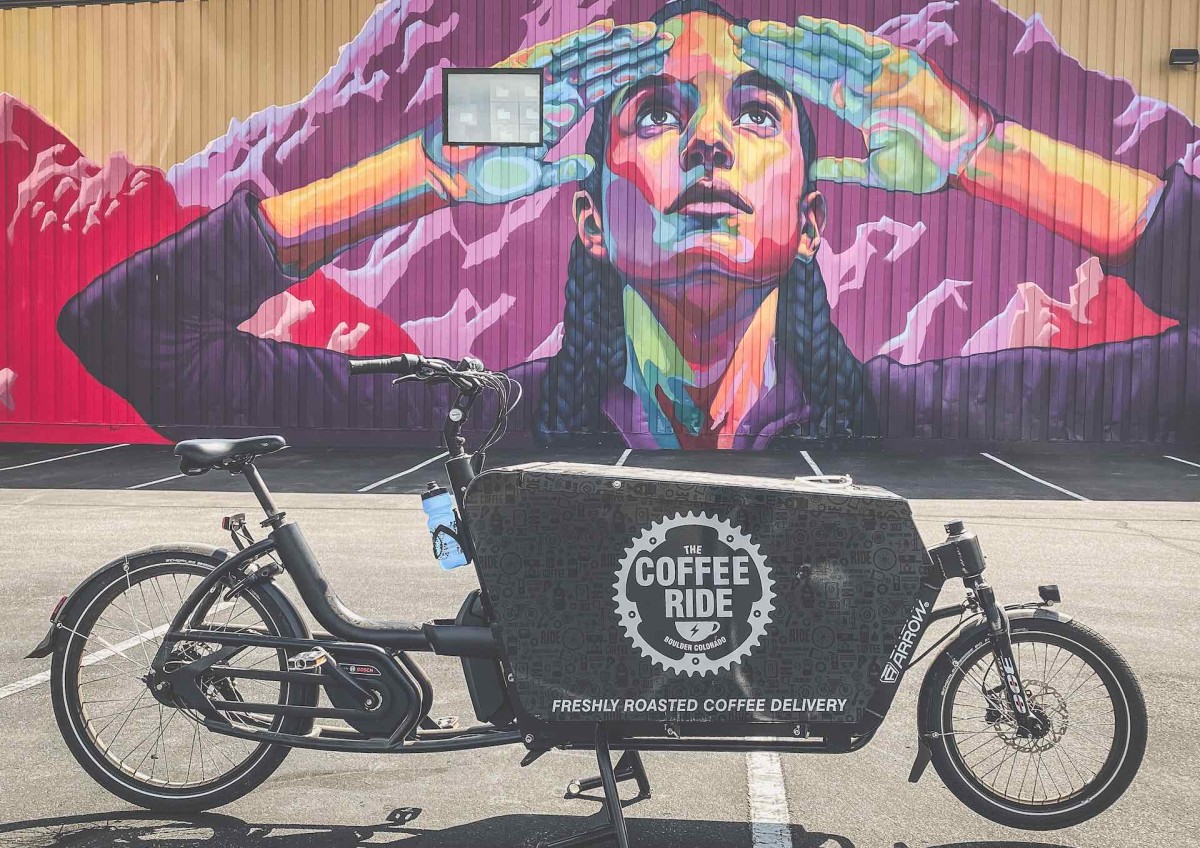
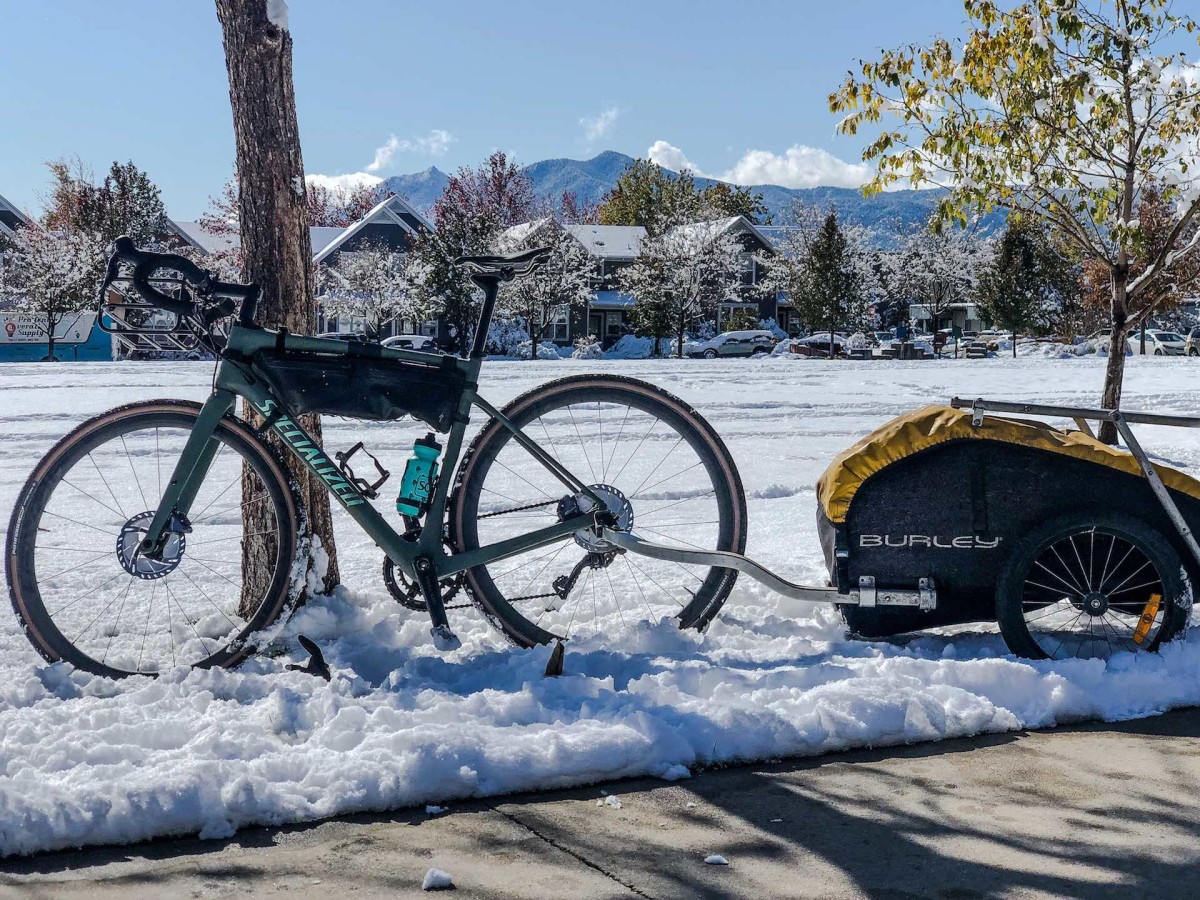
Rain, snow, or shine, Josh Crane delivers his signature roasts to Boulder, CO businesses and private customers alike, all under the power of his pedal-assist cargo delivery bike. And Crane has had plenty of weather extremes to parse recently, with snowfall blanketing the Calwood Fire—the largest in Colorado history—sparing Boulder, stopping the blaze in its tracks, and bringing on cold temps. Daytime highs continue to hover just above freezing, turning roads into a slushy, cruddy mess.
Crane looks forward to these crisp days. As the owner and operator of The Coffee Ride, Boulder’s roasted bean green-delivery service, Crane just adds layers. He puts on his mitts, zips up his jacket, and heads out, riding his electric, pedal-assist bike (he partners with Urban Arrow bikes), where daily deliveries can total 450 pounds. An average day of riding is 35 miles.
Crane’s new electric pedal-assisted setup.courtesy Josh Crane
“With deliveries, we wear masks to protect ourselves and our customers from COVID-19,” he says. “We took a big hit when cafes closed, but we were set up for people to get coffee delivered at home, which is my favorite thing to do—and it’s what the business is based on.
“I ride to quiet my mind,” he adds.
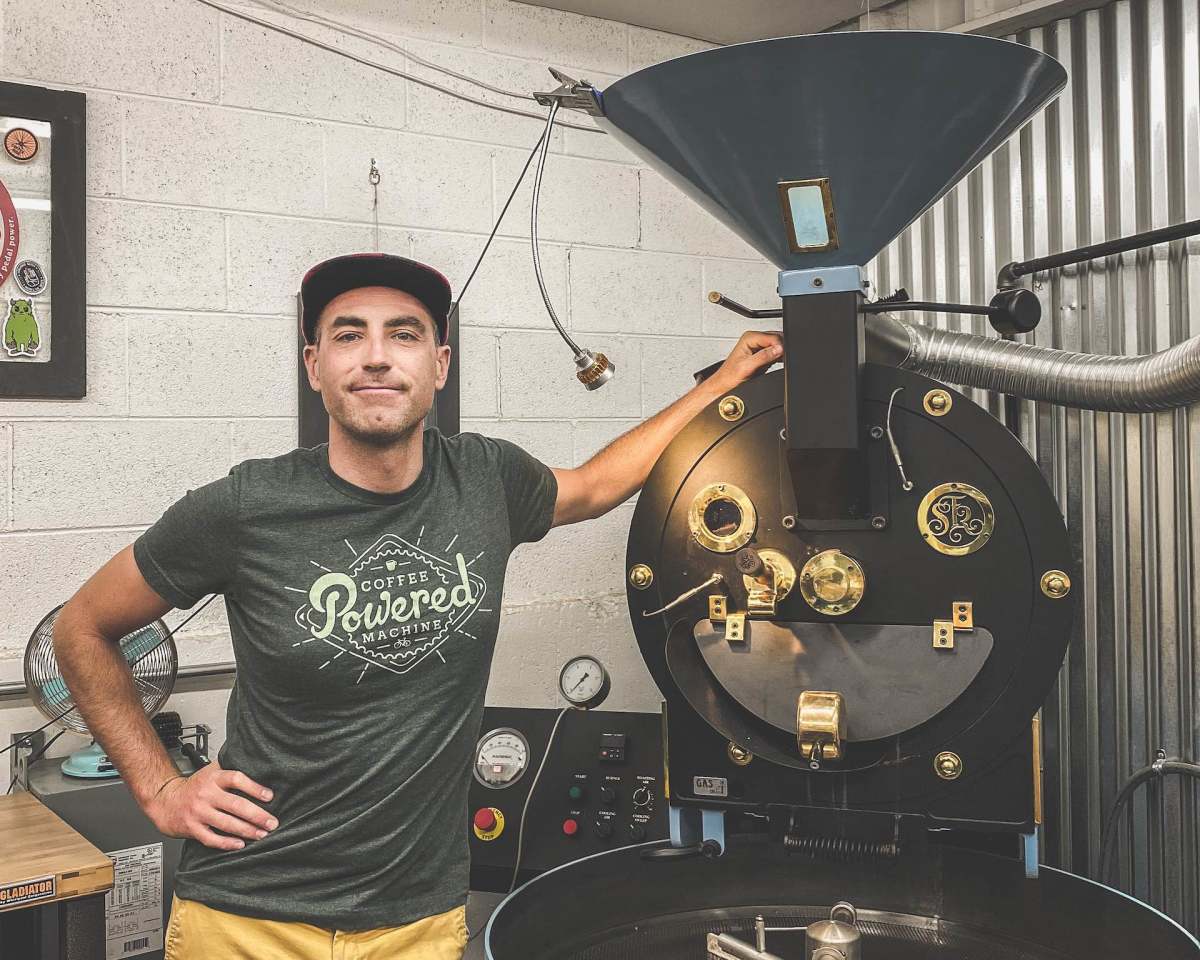
Sourced from a Pacific Northwest importer, Crane roasts the beans in Boulder and delivers them once a week on Thursdays. “Our beans come from all over the world, but our supplier in Washington makes all direct trade, with an ethical working relationship,” he says. “This way, I know exactly where everything is coming from.” Flavors include Colombia Aspro Timaná, Guatemala Candelaria, Uganda Rwenzori, Ethiopia Yirgacheffe, and The Daily Grind. Twelve-ounce bags cost $16 on thecoffeeride.com (available nationwide), where there is also an option to donate coffee to the Boulder Emergency Family Assist Association (EFFA). Bag for bag, Crane matches all donations to the EFFA. “When coffee shows up in the food bank,” he says, “people are stoked. It’s a real treat.”
Before starting his company in 2013, Crane was a medical student at the University of Colorado, Boulder and worked as a laboratory assistant at Boulder Community Hospital. He also worked in a bike shop. Though he loved helping people, his heartstrings pulled him a new way. “I took the idea from my grandfather, who was a 1950s milkman,” he says. “I liked how he made and delivered products that made people happy.”
Assisting Crane with his deliveries are professional cyclocross racer Sunny Gilbert and cycling coach Isaiah Newkirk.
Crane says of his clientele: “It’s a good mix of people; we get the specialty coffee connoisseurs because our coffee is so good. We also get customers who believe in doing better business and being environmentally conscious. We also get people who like to bring the outdoor experience that comes from bicycle delivery to their office and home.”
As the orders pile up, so do Crane’s hours on the saddle. He’s logged 16,000 miles by bike since opening six years ago, which is more than most Americans drive annually.
Crane coupled the production and delivery concept with roasting his beans, which he started making for his friends at the bike shop. Each day he’d show up 10 minutes early and brew his home blend coffee for the crew. He liked watching everyone light up when they enjoyed his drink and how conversations continued as he refilled their cups.
“I fell in love with the roast process,” he says, “and seeing how happy I could make people by bringing them my roasted coffee.
I went all in, man,” Crane adds. “I sold my Subaru, bought a coffee roaster, and built my career.”
Unless you’ve been living under a rock, you’ve heard the word countless times this summer and fall: wildfire. And yet, past the occasional snippet in our flash-in-the-pan news cycle, most people don’t know much of anything about wildfire, not least of which is the badass, thankless work of wildland firefighters combating one of climate change’s most destructive forces. Filmmaker Matthew Irving wanted to change that, so when the Grizzly Creek Fire ripped through Colorado earlier this year, Irving grabbed his camera.
MEN’S JOURNAL: Why is telling this story, giving attention to the work of wildland firefighters important? MATTHEW IRVING: I don’t think anybody really understands how hard hotshot crews work. Most media focuses on acres burned and structures destroyed, but behind the numbers are men and women working tirelessly behind the scenes to manage one of the most chaotic forces of nature.
A typical hotshot crew works 16-hour days for two weeks straight with two days off. They’ll usually get the more complex assignments and work their asses off, ending the day with a caloric deficit. You don’t really get in shape throughout the season. It’s more like you show up in shape at the beginning of the season, then spend the rest of the summer wasting away until you’re a shell of a human.
Can you break down what is happening in the film? In the first half, the Alpine Interagency Hotshot Crew (Alpine IHC) is seen going indirect, which means creating a line far away from the head of the fire, and burning off a chunk of it, so that when the main fire arrives, it has a big buffer of black that it can’t jump. The second half of the story has Ruby Mountain IHC going direct, which means that fire activity has died down enough on this specific division that they’re able to hike in a few miles to the fire line, and try to keep it in check—using helicopters, chainsaws, and hand tools. This tactic isn’t possible when the fire is actively making a run in the timber. When that happens, there really isn’t anything anyone can do, other than pull back to a safety zone and reassess options.
As people build more homes in the wildland urban interface (WUI), managing wildfires becomes more problematic. Fires that would normally be allowed to burn now have to be suppressed, which causes a buildup of fuels, which leads to more extreme fire behavior, which leads to wildland firefighters unnecessarily putting their lives on the line to save shitty-ass mansion. It’s a difficult cycle to break.
What was the most daunting part of filming? Any scary or surprising moments? When I was younger, I worked on several hotshot crews during the summer, so I’ve seen my fair share of crazy fire activity. Some of the scenes that appear to be sketchy are actually quite controlled, but that’s something that you wouldn’t be able to tell unless you’ve spent a lot of time out on the line. As boring as this sounds, the two most difficult aspects of filming wildland fires are getting access and reassuring the crews that you’re not a total idiot.
The majority of content you see in the media is filmed roadside, and that’s something that I’ve always hated. You don’t ever get to see hotshot crews in their element, which is typically in the backcountry on all the hardest assignments. I get why reporters aren’t usually allowed out with crews, because it isn’t always the safest, but it doesn’t paint a very accurate picture of the hard work they’re putting in.
Gaining the crew’s trust in such a short amount of time was one of the more stressful aspects of filming. I’m sure I sounded like an idiot when I’d introduce myself and immediately mention that I used to be on a hotshot crew, but the mentality on hotshot crews is if you have a camera and a fresh yellow Nomex shirt, you’re probably an idiot. At least, that’s how I felt back when I was on a hotshot crew. Did I mention I was on a hotshot crew? I was. I also climbed Mount Everest.
How did you come up with the idea? Admittedly, this short is an ode to the first few minutes of The Fall, a film by Tarsem Singh that is one of the most beautiful pieces of cinematography on the planet. I saw it shortly after it came out back in 2006 and it has sat with me ever since. For me, it’s easy to see how something as chaotic as wildfire would work perfectly with Beethoven’s Symphony No. 7 in A major, Op. 92.
As pretentious as this sounds, I just wanted use the footage in a way that spoke to me. The bulk of what I filmed will be used to update government training videos, websites, etc., so being allowed to create a short film of something I’ve been passionate about for 20 years was really meaningful.
While you may not be able to enjoy game day with thousands of your closest friends, that doesn’t mean you can’t still enjoy tailgate-worthy fun at home with a smaller group of friends.
If You Are A Die-Hard Fan
The Pre-game musts: Make sure you have a good internet connection, agree on a platform and a meeting time and most importantly, make sure your cable or streaming service actually offers the channel the game is on.
If You Are In It For The Nachos
Serve up a Nacho Bar with all the fixings. Ground beef or turkey, you make the call, then double up on the toppings: salsa, guacamole, veggies and more.
If You Are In It For The Fun
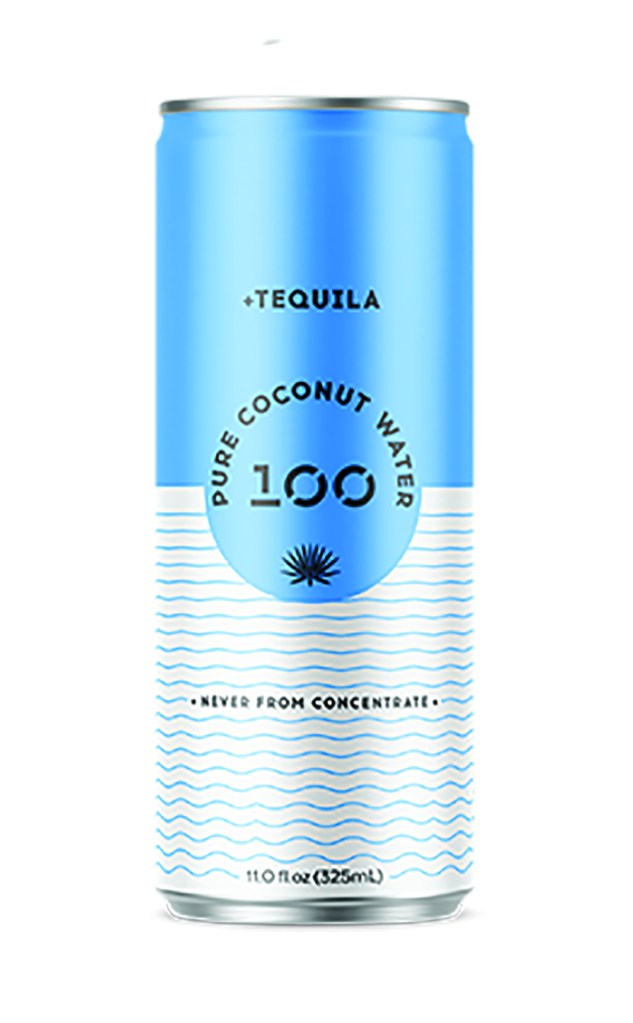
The new fan favorite of the tailgate tribe is without a doubt 100 Coconuts + Tequila. Made with wholesome, quality ingredients that taste great, this perfection in a can is made of infused 100% agave tequila with 100% pure coconut water.
100% agave tequila is one of the cleanest liquors out there, and when consumed in moderation, can improve your overall health.
Naturally hydrates through the 100% natural ingredients and electrolytes.
Zero added sugar, or cholesterol or fat, no preservatives.
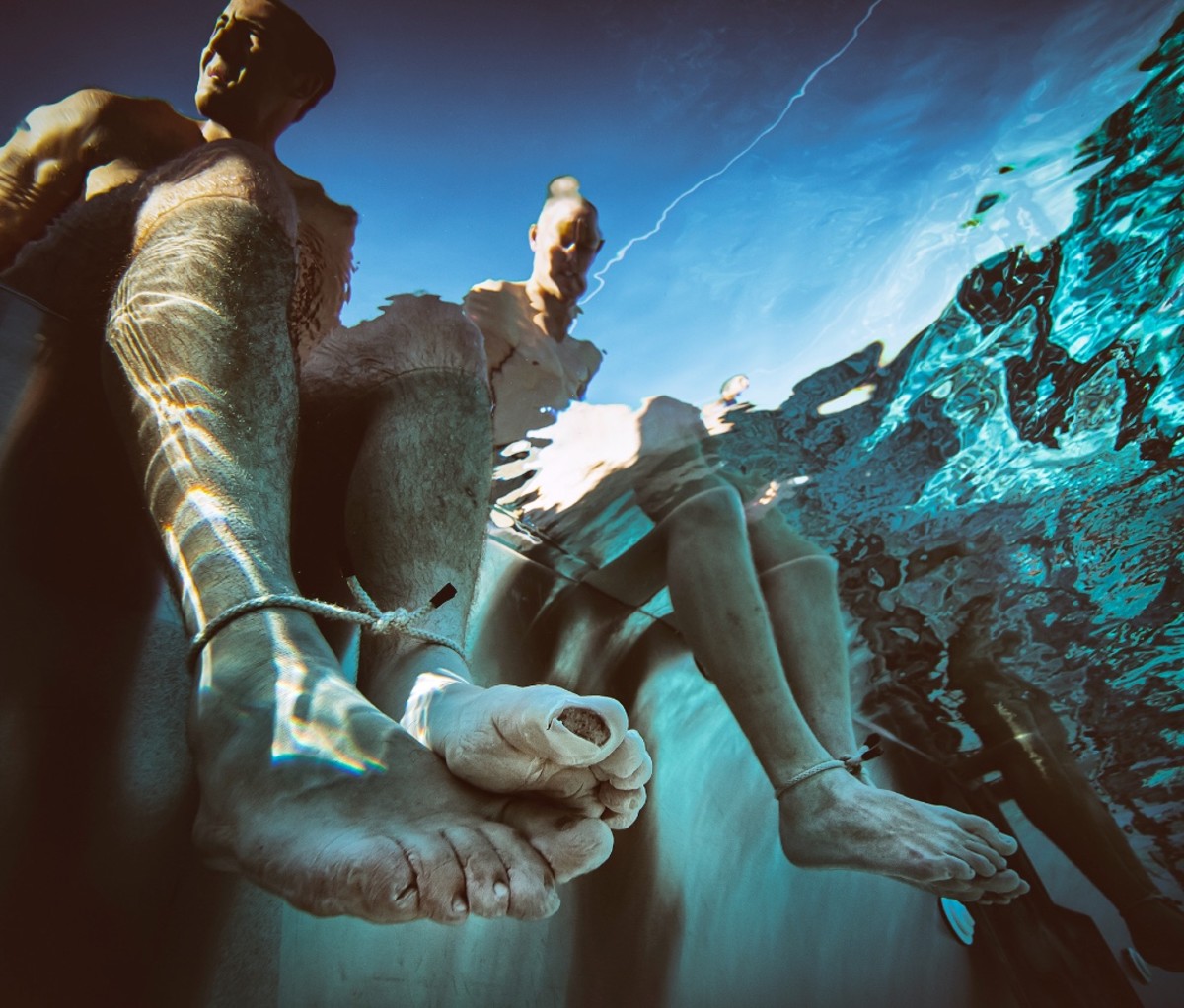
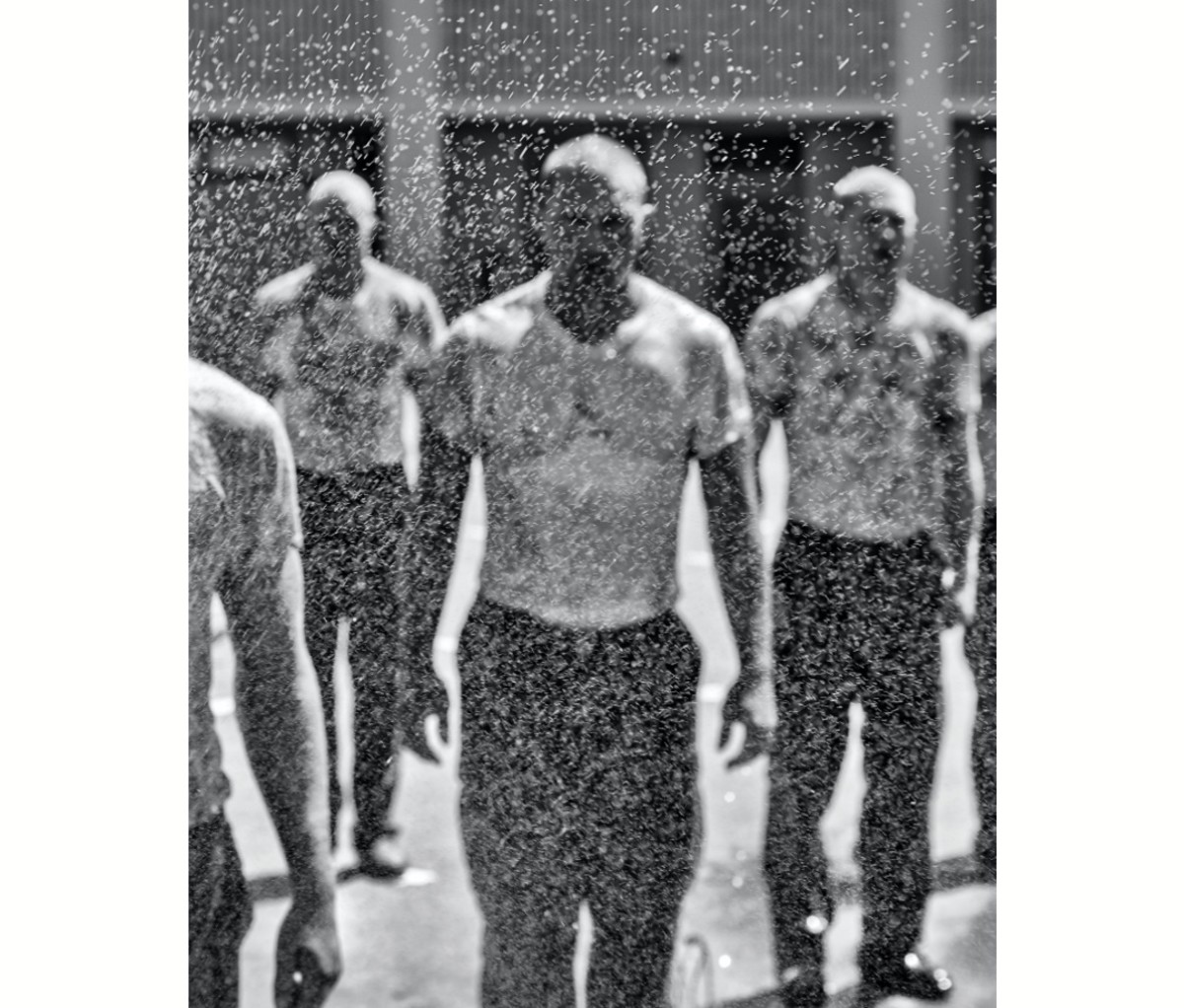
For generations, the U.S. Navy SEALS (Sea, Air, and Land) have set the standard for military special operations. Relied on for the toughest missions, these men are as notorious as their training, which begins at Naval Amphibious Base Coronado off the coast of California. Basic Underwater Demolition/SEAL training, or BUD/S for short, is the crucible in which SEALs are made, but the 24-week course, the first that SEAL candidates must endure, is actually only a fifth of the nearly two and a half years it takes before a man goes on his first mission.
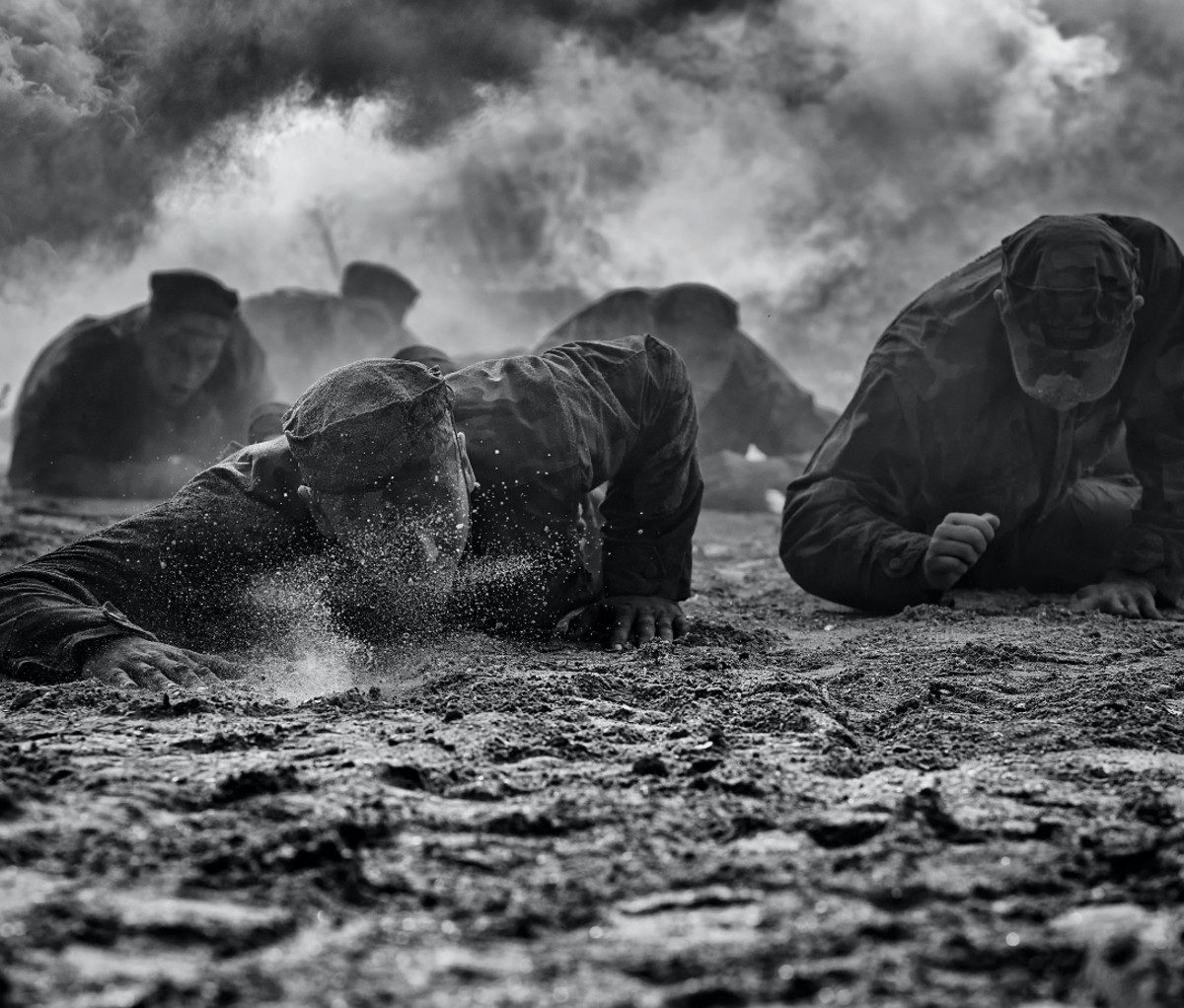
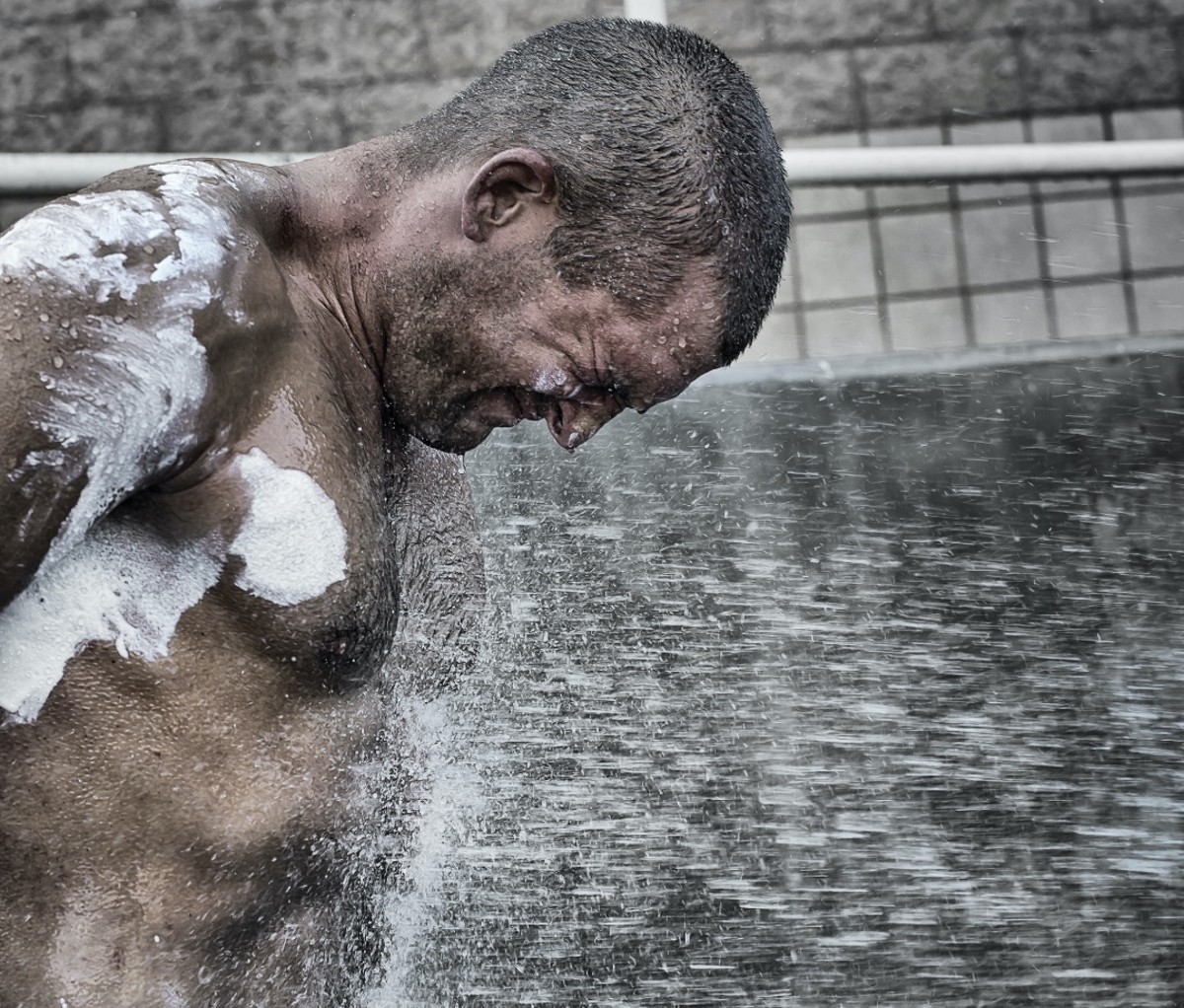
The first phase, BUD/S, assesses candidates’ endurance and conditioning, water competency, camaraderie, and grit, culminating in “Hell Week.” The challenge has captivated men for years, and for good reason: Of an average 170-person class, around 30 make it to Week Five. Such severe attrition of some of the fittest men in the world is notable in its own right, but their day-to-day ordeals are something that has to be seen to be believed.
Darren McBurnett, age 50, a 24-year SEAL veteran, knows it better than almost anyone, having survived his own BUD/S, then returning to document the experience as a photographer and instructor prior to his retirement in 2017. He witnessed firsthand what it takes to survive arguably the most extreme military service in the world. “Everyone wants to be a Navy SEAL at the bars on Friday,” McBurnett says. “Once you get in there and realize how hard it is, all that goes away.”
McBurnett’s first book, Uncommon Grit, follows the first four weeks of Navy SEAL BUD/S training. Captured over 12 months and comprising more than 22,000 images, he was a man possessed—a camera in each hand, running behind, alongside, and in front of the most ambitious men in the military. Knocks came; he remembers being run over by boats, and at one point an expensive camera rig got swept from his hands and fell to the bottom of the sea. But he’s used to dealing with adversity, a story which he tells through images in Grit. He spoke with Men’s Journal to discuss what he learned along the way—and what you should know—about responding the the obstacles you’ll encounter in life.
Darren McBurnett
1. Cut the Excuses
McBurnett saw a pattern while training and again while documenting candidates: “A lot made excuses,” he says. To leave the program, all candidates need to ring the bell and provide their reason for departure on their exit paperwork. “The biggest one, the most common is, ‘This job isn’t for me.’ ”
“Yes, this job is for you,” McBurnett says, “but you never got far enough in to see if you liked it or not.” What they were saying no to was the physical discomfort it takes to become a SEAL—the early-morning training, the cold water, the blisters so severe “chunks of skin are falling off.” In order to do all the “cool” stuff, like firing advanced weaponry and jumping out of airplanes, you had to deal with the short-term discomfort—and most can’t. “Most quit immediately when things get hard. That’s the kind of people we don’t want.” Lean into the discomfort. That persistence will always lead to greater things.
Darren McBurnett
2. Shatter Your Ceiling
When other candidates see men quit, there’s an inward-looking, self-pitying look that spreads like poison. Once that seed is planted, it’s easy to go down the same route. McBurnett and other instructors’ jobs were to motivate by adding further suffering. It may seem counterintuitive, but by instigating a downward spiral, it can shock someone back to the team mentality. Remedial training, like doing thousands of pushups is not punishment per se. “It’s to let them know, ‘You still had the energy to keep going.” Ideally, it’s to demonstrate firsthand there’s always more left in the tank—an additional few reps, a faster lap. That fires them up, to see how much they can take. It’s what separates the men who are having a bad day—and everyone has a bad day, which is not a fatal condition—from those who don’t have the mental fortitude required to be a SEAL.
Darren McBurnett
3. Believe in Your Inner Grit
“Every once in a while, you’ll have one of those unicorns show up,” McBurnett says. They’re the men who seem to get illogically stronger as they go through BUD/S. But they’re rare. It’s the guys who look like extras in 300—the ones who clock the fastest obstacle course laps, lead the runs, and swim laps around their peers—who drop out almost immediately upon reaching Hell Week. Take away warmth, sleep, cleanliness, and even air, and, to paraphrase a Johnny Cash song: ‘What’s all them muscles gonna do?’ The reality is, when the going gets tough, the true measure—the uncommon grit—of a man comes out. “It’s the mental war between the ears,” he says, that’s the most important characteristic of any SEAL candidate.
Darren McBurnett
4. Utilize Your Team
Just making it to Hell Week, a misnomer for the five and a half days in the fourth week of BUD/S training, is an accomplishment. But to make it to its peak takes more than just being a pullup stud or part fish. “You need that sense of teamwork,” McBurnett says, which motivates you to push through your own pain and sleep-deprived haze to care about the men to your left and right. “That’s when you start to develop,” he adds. “You succeed as a team and you fail as a team.” More than conditioning, more than the possession of some of the most cutting-edge gear, it’s this characteristic that has both defined SEALs for generations and continues to fuel their successes. True, he says, there’s a long road of training ahead after Hell Week, but if you can make it past, you’ve demonstrated that you possess this critical tool in your toolset—and that’s a start.
Wildland fires are nothing new, but their current impact is dramatic. So far, in 2020, about 8.5 million acres have burned across the U.S. The financial toll is mind-boggling. In 2018, estimates of wildfire damage were about $18 billion. So far this year, nearly 33,000 people have been involved in fighting wildfires and 12 are dead—not including civilians. Most of these fires were preventable; approximately 87 percent of wildfires are caused by people. Responsible recreation during wildfire season can make a difference.
The vast majority of small fires are put out. But strong winds and critically dry fuels can turn a spark or neglected campfire into a “megafire,” which can have an extraordinary impact on local populations and the environment. Not only are forests and grasslands scorched, people lose homes, businesses and, tragically, their lives. Forest closures and hazardous air conditions devastate local economies. Fuels and forests have built up in the absence of natural wildfires over the past century, leading to a contagious tinderbox in many forestlands. Warmer, drier summers and increased human-caused ignitions have dramatically increased the length of the average fire season.
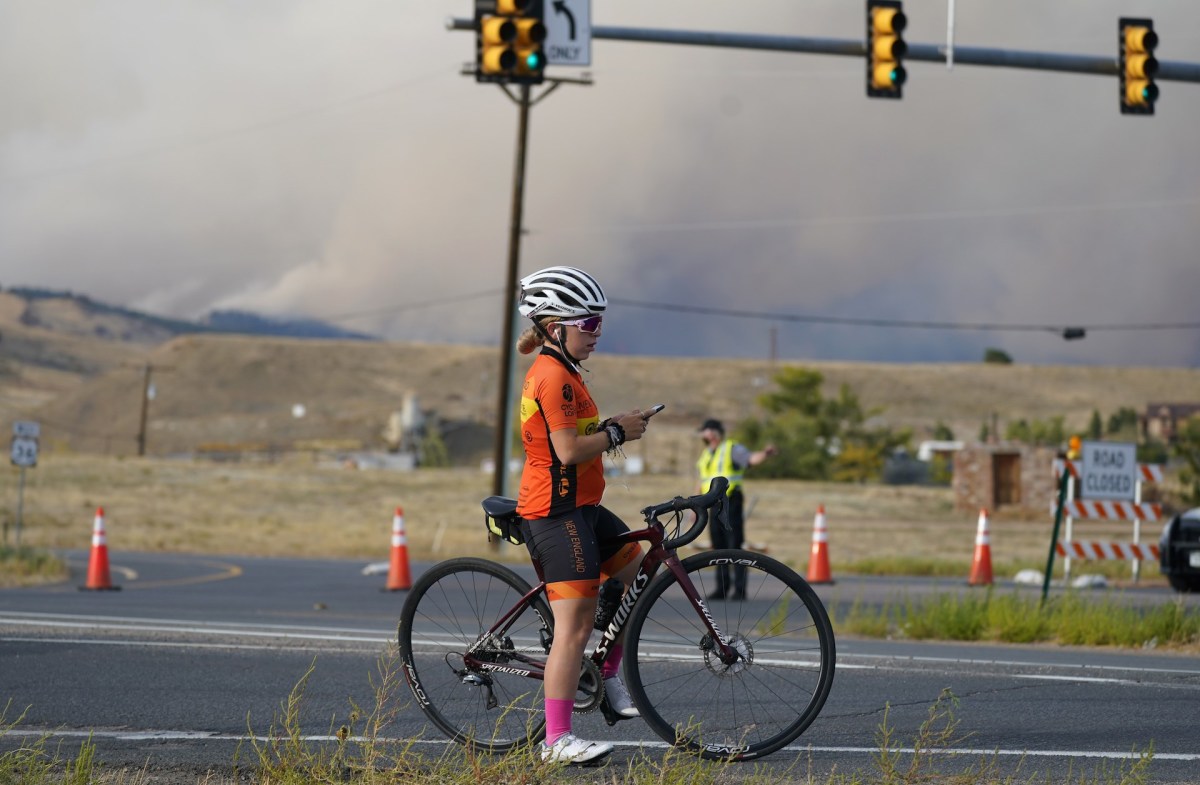
A cyclist pauses to take a photograph as police officers direct motorists at a roadblock as nearby residents evacuate an Oct 17, 2020 wildland fire races through the mountains near Boulder, CO.David Zalubowski/AP/Shutterstock / Shutterstock
Susan Prichard, fire ecologist at University of Washington, says that the balance of human- versus lightning-started fires varies from place to place, year to year. But it’s important to understand that since most camping takes place at the height of fire season, fire irresponsibility coincides with wind and dry forests. “Even though it seems like the West is burning up (historically, there have always been wildfires), there are still many places under a fire deficit,” explains Prichard. “There will always be fire danger, and, while we’re very good at extinguishing them in this country (97 to 98 percent of fire starts are put out, it’s only 2-3 percent that get away), any fire, even a small one, has the potential to explode.”
Oddly enough, there’s evidence that the COVID-19 pandemic is fueling this season’s devastating blazes. Stacy Corless, Supervisor for Mono County, CA, reports that this summer, “our forests (like most others throughout the West, maybe the nation) saw big increases in visitation.” With many visitors new to camping and the outdoors, there was a likely gap in terms of understanding and following rules. “We saw some bad behavior—illegal campfires and camping, trash left behind, and lots of crowds,” Corless notes, “There seemed to be little awareness of wildfire danger, or the impact on the land.”
“Due to COVID, we’re seeing a lot of people on public lands this year that don’t typically camp or hike,” adds Tina Boehle, information officer for NIFC (National Interagency Fire Center). “It’s a great opportunity for education and we hope people fall in love with their public lands, use them responsibly and protect them for future generations. Before heading out, take the time to learn about outdoor and campfire safety and how to recreate responsibly.”
How can you be part of the solution? Most importantly, educate yourself on responsible recreation during wildfire season. Here are some expert tips:
Check fire restrictions before heading into the backcountry. Go to the land management website for your intended destination, whether it’s the U.S. Forest Service, BLM, National Park Service or state or regional park. Note whether open fires, or even propane stoves, are prohibited. Websites like inciweb.nwcg.gov alert you to active wildfires or wildfire closures.
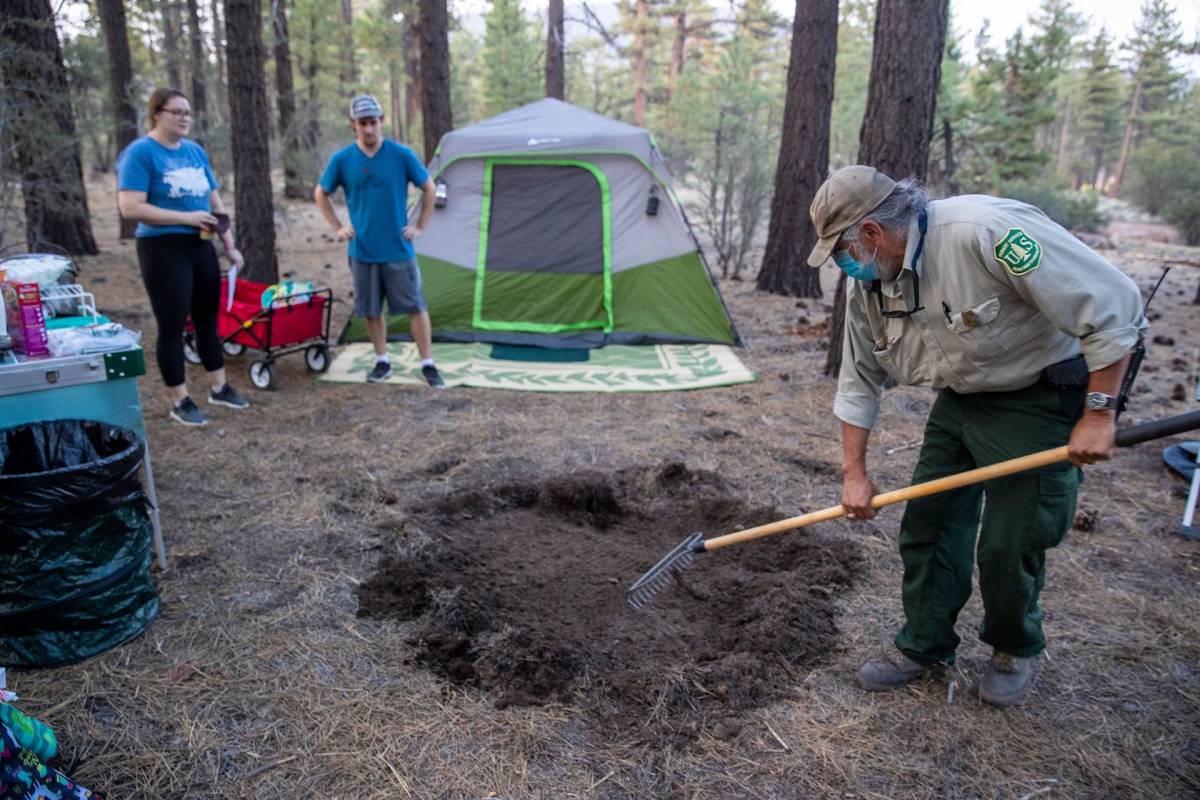
If conditions allow a campfire, stick to established fire rings in established campsites. Don’t create your own fire ring as you might be impacting organic soil. Organic soil is essentially decomposed plant matter and can smolder for weeks. If it ignites an underground root system, it can pop up elsewhere, far from the original blaze.
A forest protection officer demonstrates how to rake duff down to mineral soil to mitigate the propane campfire ring of dispersed campers in August 2020 north of Big Bear Lake, CA.Brian van der Brug/Los Angeles Times/Shutterstock / Shutterstock
If you do have a campfire, have a shovel and plenty of water on hand to ensure the ashes are cold to the touch anytime the fire is not attended. If you can’t put your hand into the ashes, the fire is not out. During fire season, consider stargazing rather than staring at flames.
Pack a collapsible bucket (we love the NRS Bail Pail). A packable pail won’t add much weight or bulk to your backcountry kit and simplifies dousing your campfire.
Be fire conscious. Ways that forest visitors unintentionally start fires include dragging trailer hitch chains (they spark when they hit pavement), parking on dry grass (the hot components of a vehicle can start a fire), shooting exploding targets, setting off fireworks, smoking cigarettes, or burning toilet paper. Carry a fire extinguisher and a saw in your vehicle as part of your backcountry essentials. Remember, fireworks are always prohibited on public lands.
When camping, be aware of alternative escape routes. Wildfires advance depending on fuel (vegetation), weather, and topography. A wind-driven fire can move very quickly, leaving little time between an evacuation order and the arrival of flames. Main roads or trails can be blocked. An evacuation plan can save precious minutes when it counts. Know where the closest body of water is located; you might need it in an emergency.
Don’t wait until the last minute to evacuate. Fires are unpredictable. A fire line can be breached by a single ember or falling tree. A spark can travel a mile in windy conditions to ignite dry fuel far from the original burn site.
Often wildfires burn slowly on flat ground, and then race uphill. Your escape route may be thwarted by fallen logs. Just because you can’t see flames doesn’t mean you’re not in danger.
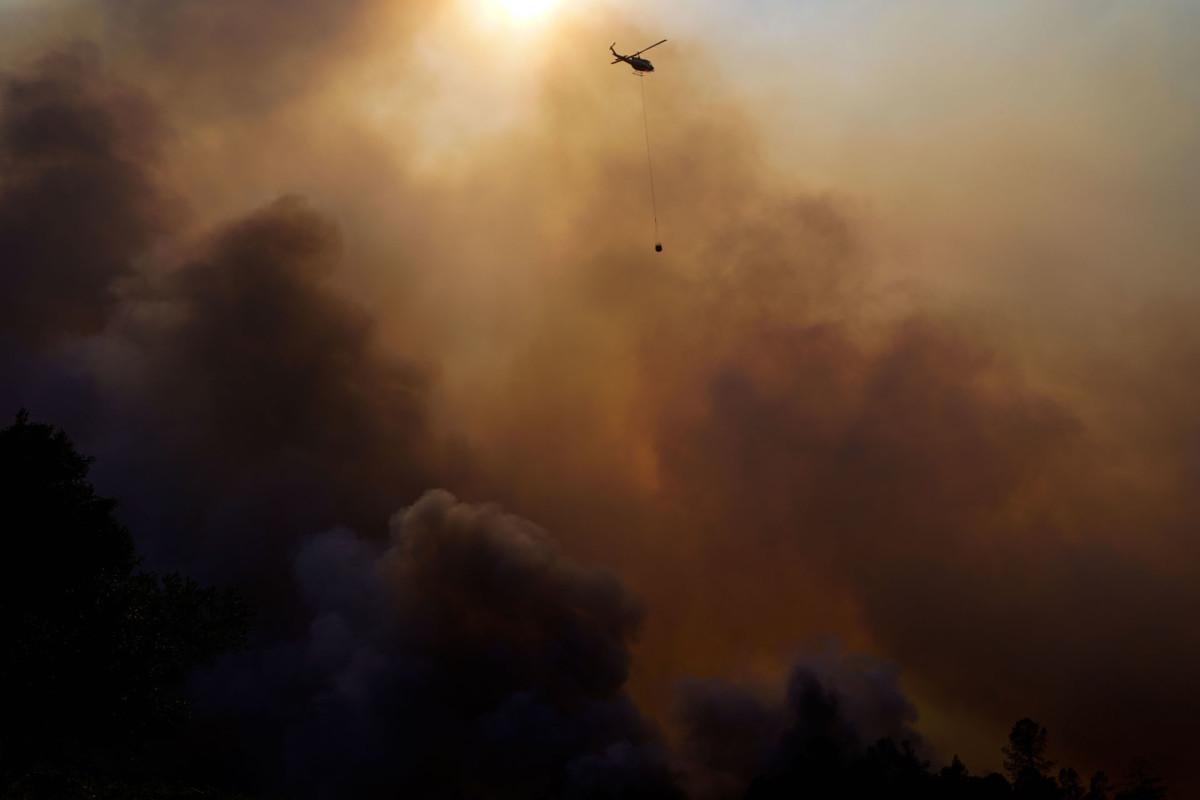
Firefighting aircraft make drops over hotspots where firefighters work to contain the Sept. 2020 Glass Fire in Napa County, CA.Kent Nishimura/Los Angeles Times/Shutterstock / Shutterstock
Never fly a drone near a wildfire. Not only is it against the law, it puts lives at risk and slows down the effort to save forests and property as they can be deadly if they interfere or, worst case, collide with firefighting aircraft. Drones are always prohibited in national parks.
Sign up for reverse-911 emergency alerts. Make sure your phone allows your provider to push out messages with emergency information.
Respect fire closures. They’re put in place early and left in place after the flames and smoke dissipate to keep you safe. Even a decade after a burn, hazards remain, especially in the form of dead trees. Before you set up a campsite in any historically burned area, look up, down and all round for trees that could fail and impact your safety.
Fire closures protect not only the public, but firefighters too. Cruising forest roads during an emerging incident slows response times and can lead to a motor vehicle accident with crews, engines and heavy equipment.
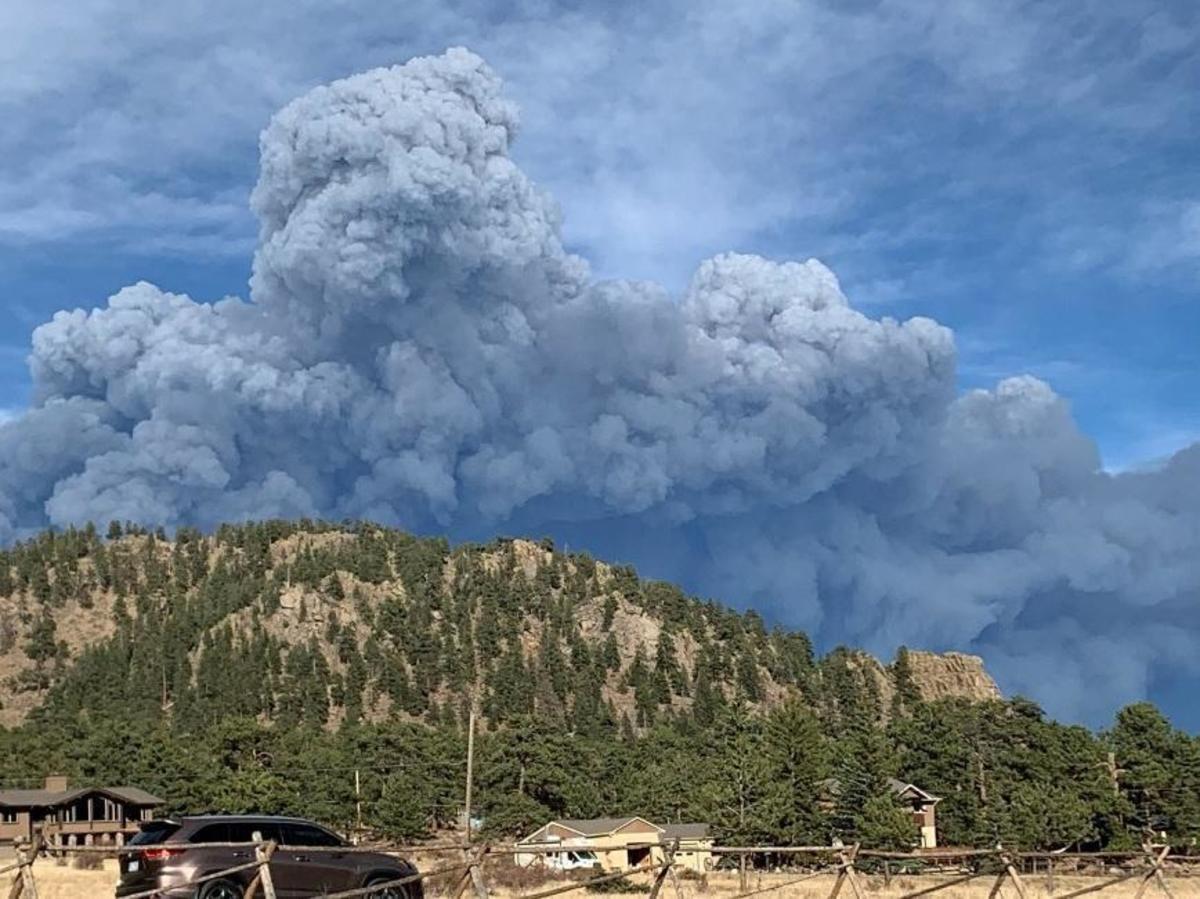
Colorado’s Cameron Peak Fire looms on Oct 16, 2020 over the Beaver Meadows Visitor Center, also known as Rocky Mountain National Park Administration Building near Estes Park.CDT
Recently burned areas are extremely dangerous places due to fire-weakened trees that can fall on people, cars, trails or roads. Newly scorched earth can hide undermined ground that can bury and burn anyone walking in the wrong place. Areas may remain closed because steep slopes that have burned are susceptible to rock and landslides.
Jaimie Olle, acting Public Affairs Specialist for Deschutes National Forest, Oregon, says that there are two great ways to help fires. Donating to the Red Cross is a direct way to assist people who have been evacuated or have lost their homes. To support firefighters, donate to the Wildland Firefighter Foundation, an organization that directly supports wildland firefighters and their families. After a wildfire, there is plenty of restoration and repair work needed. Reach out to your local land management agencies to support efforts.
This article originally appeared on Bike.com and was republished with permission.
When Covid-19 locked up retail stores in March, bike shops were as worried about landing on the other side as Brooks Brothers and Gold’s Gym. When the pandemic motivated millions of people of all ages, interests and abilities to get on a bike for the first time in ages, cycling stores rode away laughing, while many other retailers crashed.
In October, Canyon, a high end, direct-to-consumer bike brand, announced that it was in talks with private equity and buyout firms. A sale could bring in $592 million and start a trend.
“It was the story of the year,” says Stephen Frothingham, editor-in-chief of Bicycle Retailer & Industry News, an industry publication. “When the New York Times and Wall Street Journal are talking about the riding boom and shortage of inventory [in bike shops], it catches a lot of people’s attention. Investors start wondering, ‘How do I get a part of this?’”
Canyon is a compelling story. In September, the 30-year-old German brand reported $474 million in global sales for 2020, a 30 percent bump from the year before. That included a jump in the U.S. market of more than 100 percent in June compared to the year before. Even though it’s only been selling bikes to Americans since 2016, bike industry insiders reckon its one of the four biggest bike sellers in the country. And because it only sells online, it’s not just another brand importing bikes from China, says Frothingham.
“The companies that play in the space where bikes and technology overlap are getting a lot of interest,” he says.
That’s especially true of the more tech side of the cycling industry. In September, one of Canyon’s suitors, KKR & Co, led a $450-million fundraising for Zwift, an online fitness platform for cyclists and runners. The Series C funding valued the company at $1 billion. Even before the pandemic the category was hot. Peleton, an interactive cycling and fitness training platform, raised $1.16 billion in 2019. That makes fitness apps popular with cyclists, like Strava and Wahoo, prime targets for major investments, figures Frothingham.
E-bike makers look juicy too. Electric bikes have outpaced all other cycling segments for years, including a 190 percent bump in sales between March and June this year, according to research by NPD Group, a retail monitoring firm.
“E-bikes are only at, like, iPhone 2.0,” figures Fotheringham. “There’s still a lot of room for improvement.”
One place the interest probably won’t go, though, is the bike industry heavy weights: Specialized, Giant and Trek.
“A lot of companies are riding high, but a challenge they all have to growing is getting enough bikes,” Frothingham says. Almost every bike, whether it’s from Walmart or a $10,000 carbon fiber race machine is made in China or Taiwan. “No one is talking about building a new factory to increase capacity.”
Smaller brands, flying high on the intense demand, have a better chance of finding a buyer. The interest from investors will continue as long as concerns about the safety of public transport and flying away for holidays continues. With no end in sight to these pandemic-fueled worries, expect the bike boom to keep rolling right through 2021.